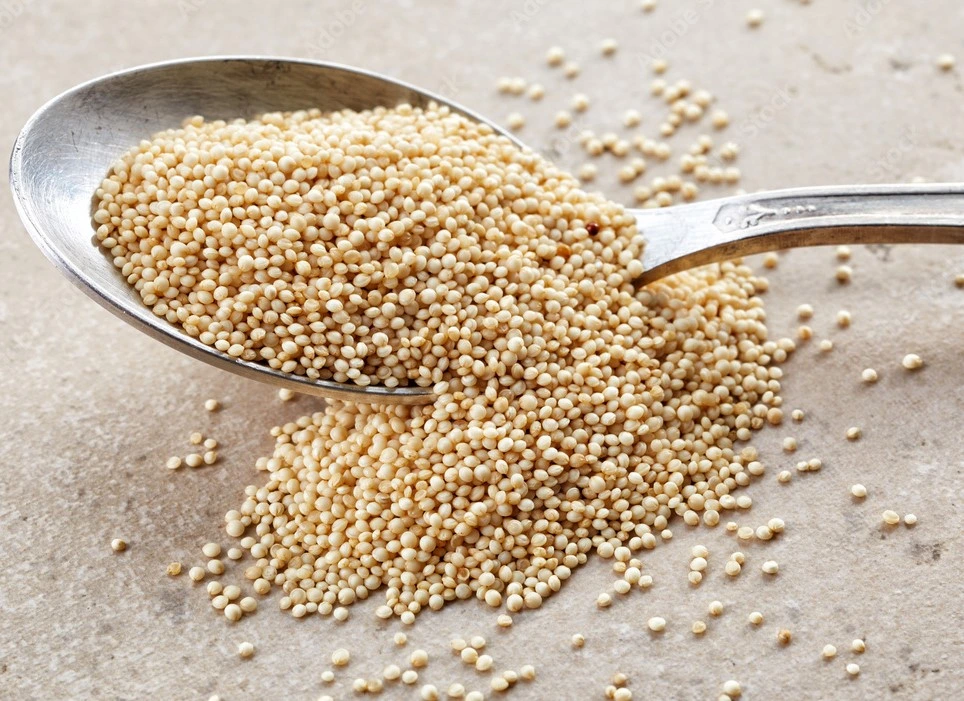
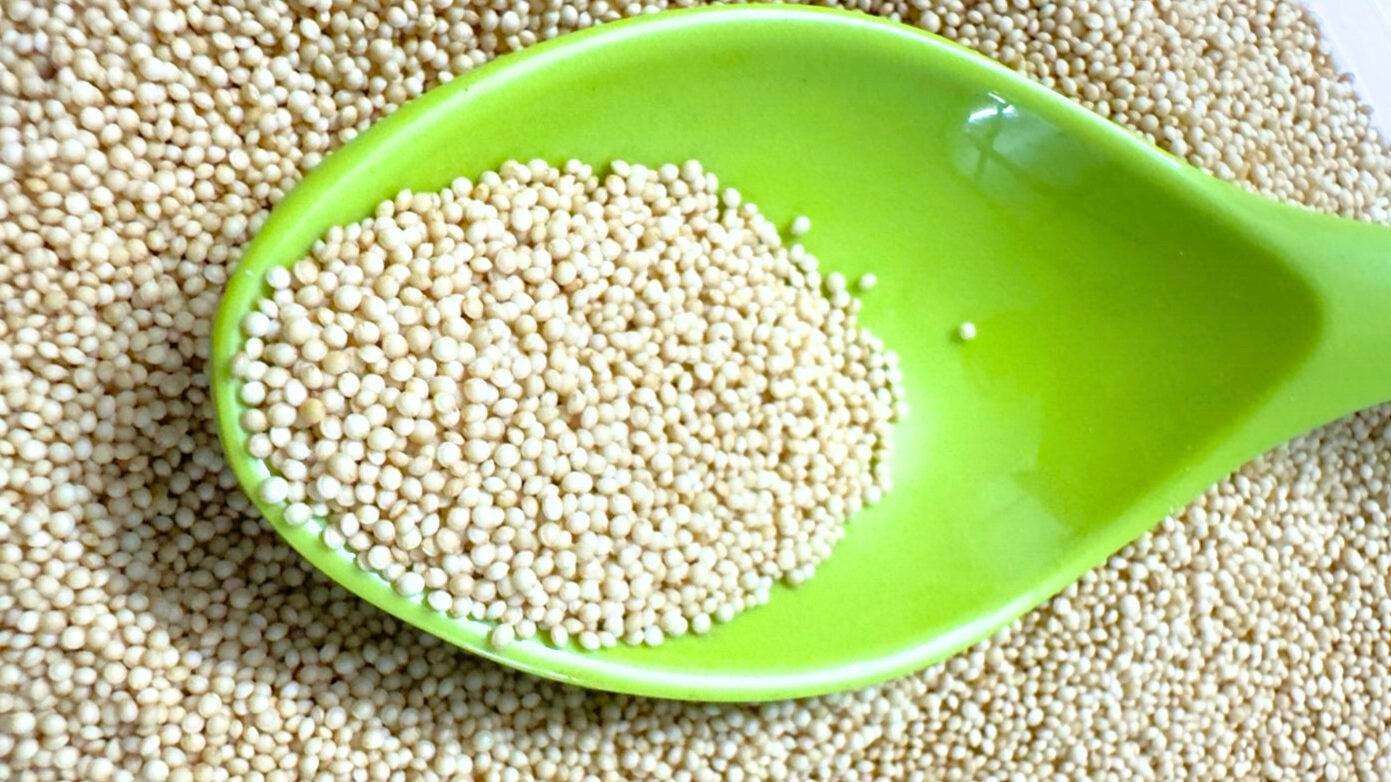
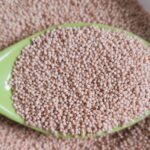
Amaranth was once a staple of ancient Aztec civilisations. Today, it is one of the fastest-growing ingredients in the global food manufacturing industry — and international buyers are increasingly turning to India as their primary source.
This article explains why demand for amaranth grain is accelerating across food markets in the USA, Europe, UK, Canada, and Australia, and why food brands, distributors, and ingredient buyers are actively seeking reliable supply from Indian exporters.
The Global Amaranth Market Is Expanding Rapidly
The global amaranth market was valued at approximately USD 8.9 billion in 2025 and is projected to reach USD 22 billion by 2033, growing at a compound annual growth rate of over 11%. The seeds segment is the dominant product form, accounting for more than 42% of total market consumption — driven by its minimal processing requirements, nutritional integrity, and broad applicability across food categories.
The food and beverage industry accounts for the largest share of amaranth demand, representing over 60% of total market applications. This is being driven by four converging trends that are reshaping ingredient procurement decisions for food brands worldwide.
Four Market Forces Driving Amaranth Import Demand
1. The Global Gluten-Free Market Is Still Growing
The global gluten-free food market is projected to reach USD 10.1 billion by 2032, growing at a CAGR of 6.8%. As food manufacturers reformulate products to remove wheat and barley, they need alternative ingredients that deliver on taste, texture, and nutrition simultaneously.
Amaranth is one of very few ancient grains that meets all three requirements. It is naturally gluten-free at less than 20 parts per million — the threshold required by both the US FDA and European food safety standards. Food scientists and formulators are increasingly incorporating amaranth into gluten-free breads, muffins, pasta, crackers, and snack bars precisely because it contributes structure, fibre, and flavour that many other gluten-free substitutes lack.
For food manufacturers looking to expand or strengthen their gluten-free product lines, amaranth grain is becoming a core specification ingredient — not a specialty item.
2. Clean Label Is Now a Procurement Requirement
Consumer demand for clean-label products — those with short, recognisable, and minimally processed ingredient lists — is now a decisive purchasing factor. Research from Ardent Mills indicates that projected growth in clean-label eating is expected to rise by over 62% in the near term, with consumers prioritising recognisable ingredients, non-GMO status, and organic provenance.
Amaranth scores highly on every clean-label dimension. It is a whole, unprocessed pseudocereal with a single-word ingredient declaration. It requires no chemical modification, no flavour enhancement, and no artificial fortification. When sourced from certified Indian exporters operating under APEDA, ISO 22000, and HACCP frameworks, it comes with full traceability documentation — a requirement increasingly demanded by European and North American retail buyers.
For brands formulating products where ingredient simplicity is a marketing asset, amaranth is a natural fit.
3. Plant-Based Protein Demand Is Reshaping Ingredient Sourcing
Approximately 65% of consumers now consider protein-enriched food essential to their daily diet, according to market research tracking the functional nutrition category. This has created a surge in demand for plant-based protein sources that can be incorporated into mainstream food products — not just specialist health foods.
Amaranth is one of the few plant-based ingredients that provides a complete protein profile, containing all nine essential amino acids including lysine — an amino acid that is deficient in most cereal grains. This makes it a genuinely functional ingredient for food manufacturers developing protein-fortified cereals, nutritional bars, snack blends, and meal replacement products.
Approximately 58% of food manufacturers are actively reformulating products to incorporate natural, nutrient-dense alternatives, according to industry data — and amaranth is consistently appearing on the shortlist.
4. Ancient Grains Are Driving Premium Product Innovation
Beyond nutrition, amaranth carries a powerful consumer narrative. As an ancient grain cultivated for over 8,000 years — a staple of Aztec, Inca, and Maya civilisations — it connects products to themes of heritage, sustainability, and authenticity. These are among the highest-performing claims in premium food marketing.
Brands including Bob’s Red Mill, Ardent Mills, and emerging health food companies have already launched amaranth-based cereals, baking flours, and snack products targeting wellness-conscious consumers across the US and Europe. The commercial signal is clear: amaranth is moving from the health food aisle into mainstream food retail, and ingredient buyers need to build supply chains now.
Why Food Manufacturers Source Amaranth from India Specifically
India is the world’s largest producer of amaranth seeds — known locally as Rajgira or Ramdana. Several structural factors make Indian amaranth the preferred choice for international food manufacturers over other origins:
Cultivation conditions:
Amaranth grown in the North Indian plains and Himalayan foothills benefits from natural terroir conditions — altitude, soil mineral composition, and seasonal rainfall patterns — that produce grain with higher protein density and consistent quality across harvests.
Processing infrastructure:
Leading Indian exporters have invested in Sortex optical sorting technology and gravity separator cleaning lines, enabling 99.9% purity grades that meet the quality standards required for industrial food processing lines in the EU and USA.
Certification ecosystem:
Indian food exporters can supply amaranth with a full certification stack — APEDA registration, FSSAI food safety compliance, ISO 22000, HACCP, and organic certification under NOP and EU Organic standards. This documentation stack is a procurement requirement for most European retail supply chains and US natural food distributors.
Supply scale:
India’s production base supports both small trial orders and full container-load volumes — a flexibility that matters for food brands at different stages of product development and scale.
Competitive pricing:
Indian amaranth seeds are consistently priced competitively against other major origins including Peru, Mexico, and USA, particularly for buyers sourcing on FOB or CIF terms from major Indian ports including Mundra and JNPT.
How Food Manufacturers Are Using Amaranth Grain Today
Amaranth’s versatility across food categories is one of the key reasons ingredient buyers are prioritising it in their sourcing strategies.
Gluten-free bakery and flour blends:
Amaranth flour and whole seeds are used in gluten-free bread, muffins, crackers, flatbreads, and baking flour blends. Its mild, slightly nutty flavour integrates well into most bakery formulations without dominating the taste profile.
Breakfast cereals and granola:
Puffed and popped amaranth has become a standard ingredient in premium granola blends, puffed grain cereals, and muesli products. Its low moisture expansion ratio and clean flavour make it a preferred choice for brands reformulating breakfast products with ancient grain positioning.
Nutrition bars and snack products:
The complete protein profile of amaranth makes it a functional ingredient for protein bars, energy bites, and extruded snack products. Its compatibility with binding agents and natural sweeteners means it integrates easily into standard bar manufacturing processes.
Nutraceuticals and functional foods:
The mineral density of amaranth — manganese at 43% DV, magnesium at 16% DV, and iron at 12% DV per 100g serving — makes it suitable for nutraceutical formulations targeting bone health, energy metabolism, and mineral supplementation.
Whole amaranth grain is increasingly included in premium meal kits, multi-grain rice blends, and ready-to-cook health food products targeting the convenience wellness segment.
What Buyers Should Look For in an Amaranth Grain Supplier
As demand for amaranth seeds grows, so does the number of suppliers claiming to offer export-grade product. For procurement teams evaluating sourcing options, these are the non-negotiable criteria:
Purity grade with documentation:
99.9% Sortex-cleaned purity with a Certificate of Analysis from an accredited third-party laboratory. Any supplier unable to provide COA with aflatoxin results should be disqualified.
Active certifications:
APEDA registration, FSSAI food safety licence, and ISO 22000 or HACCP certification are the minimum requirements for supply into regulated markets. Organic certification (NOP or EU Organic) should be requested separately if required.
Non-GMO status:
Indian amaranth is naturally non-GMO, but buyers should confirm this in writing and request supporting documentation for markets where non-GMO claims require verification.
Export logistics experience:
A credible Indian amaranth exporter should be able to provide all required export documentation — Phytosanitary Certificate, Certificate of Origin, Bill of Lading, Fumigation Certificate — and have demonstrated experience shipping to your destination market.
Minimum order and lead time clarity:
Standard MOQ from Indian exporters is 1,000 kg (1 metric tonne), with packaging available in 25 kg, 50 kg, and 1 MT Jumbo bags. Lead time from order confirmation to FOB shipment is typically 2–3 weeks.
Amaranth Demand by Region: Where Are Buyers Coming From?
North America (USA and Canada)
The largest single demand region for imported amaranth grain, driven by the clean-label food movement, the growth of specialist health food retail, and active reformulation by major cereal and snack brands.
Europe (Germany, Netherlands, UK, Italy)
European demand is shaped by strict import documentation requirements, strong organic certification preferences, and the EU’s labelling framework for gluten-free and functional food products. Indian exporters with EU Organic and HACCP certification are best positioned here.
Middle East and GCC
Growing food manufacturing base with increasing interest in high-protein, non-wheat ingredients for product development targeting health-conscious urban consumers.
Australia and New Zealand
Both markets have regulatory frameworks that support functional food innovation and clean-label labelling transparency, making amaranth a growing ingredient import in these markets.
Asia Pacific
India’s regional proximity gives Indian amaranth exporters a natural advantage in supplying food manufacturers across Southeast Asia, where ancient grain adoption is growing alongside rising health food awareness.
Conclusion: Amaranth Is a Long-Term Ingredient Opportunity — Not a Trend
The market data is consistent: amaranth seed demand is growing across every major food importing region, driven by structural trends in clean-label eating, gluten-free formulation, plant-based protein, and ancient grain positioning. These are not short-term trends — they represent a fundamental repositioning of how global consumers expect food products to be made.
For food manufacturers, distributors, and ingredient buyers, building a reliable supply chain for amaranth grain — with certified, export-grade Indian origin — is a strategic procurement decision with a long runway of demand behind it.
Satdal International supplies export-grade bulk amaranth seeds from India to food manufacturers, wholesalers, and health brands worldwide. Our amaranth grain is Sortex-cleaned to 99.9% purity, certified under APEDA, FSSAI, ISO 22000, and HACCP, and available in conventional and organic grades. You may also be interested in our Chia Seeds and Jaggery Powder export range.
Explore our amaranth seed specifications and request a sample
Infographic by Satdal International | Data sourced from USDA FoodData Central and agricultural reports.
Why are food manufacturers increasing their use of amaranth as an ingredient?
Amaranth offers a combination of clean-label appeal, complete plant-based protein, natural gluten-free status, and versatile application across bakery, snacks, and cereals — making it one of the most functionally complete ancient grains available to food formulators.
Why is India a preferred source for amaranth grain imports?
India is the world’s largest amaranth producer, with advanced Sortex cleaning infrastructure, a full export certification stack (APEDA, ISO 22000, HACCP), and competitive FOB pricing that makes it the most cost-effective certified source for buyers in the USA, Europe, and Middle East.
What food products commonly use amaranth as an ingredient?
Amaranth is widely used in gluten-free bakery products, breakfast cereals, granola blends, nutrition bars, puffed snacks, nutraceutical formulations, and ready-to-cook meal products. Its neutral flavour and high protein content make it compatible with a wide range of food manufacturing applications.
Is amaranth suitable for clean-label food products?
Yes. Amaranth is a minimally processed whole grain with a single-word ingredient declaration, non-GMO status, and no artificial additives. When sourced from a certified exporter with full traceability, it meets the clean-label requirements of major retail buyers in Europe, the USA, and Australia.
How is the global demand for amaranth seeds expected to grow?
For regulated food manufacturing markets, suppliers should hold APEDA registration, FSSAI food safety certification, ISO 22000 or HACCP, and organic certification (NOP or EU Organic) if applicable. A third-party Certificate of Analysis covering purity, moisture, and aflatoxin should accompany every shipment.
What certifications should an amaranth seed supplier have for food manufacturing supply?
The global amaranth market is projected to grow from USD 8.9 billion in 2025 to USD 22 billion by 2033, at a CAGR of approximately 11–12%. The seeds segment leads market share, accounting for over 42% of total consumption, driven by food and beverage industry demand.
What is the difference between amaranth and quinoa for food manufacturers?
Both are gluten-free ancient grain pseudocereals with complete protein profiles. Amaranth is smaller, has a slightly earthier flavour, and is generally available at more competitive pricing from Indian origins. Quinoa is primarily grown in Peru and Bolivia. For cost-sensitive formulations in bakery, cereals, and snack applications, amaranth often offers better value.
Can amaranth seeds be sourced as organic certified from India?
Yes. Indian amaranth is available with NOP (USDA) and EU Organic certification from processing units operating under verified organic supply chains. Buyers should request organic certification documents and farm traceability reports prior to placing the first order.